Blog

  • Designing a Kitchen That Makes Everyday Cooking Easier

    A kitchen is much more than a room for preparing food. It is an important part of a home where daily routines take place and families come together. A comfortable kitchen can make cooking enjoyable, improve household organization, and create a welcoming atmosphere. Whether someone prefers a traditional design or a modern appearance, the main goal should be to create a space that is practical, attractive, and easy to maintain.

    Planning the available space is an important step when improving a kitchen. Before selecting furniture or appliances, homeowners should consider the room’s dimensions and identify the best places for essential features. The refrigerator, sink, and stove should be positioned to allow convenient movement during food preparation. Enough walking space between cabinets and appliances is also necessary to prevent the room from feeling crowded.

    Storage solutions can make a significant difference in everyday kitchen activities. Well-designed cabinets provide space for dishes, cookware, groceries, and small appliances. Deep drawers are useful for storing pots and pans, while narrow shelves can hold spices and cooking ingredients. Organizing items according to their purpose helps maintain a tidy environment and makes it easier to locate everything when needed.

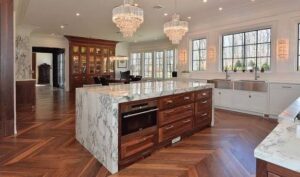
    The selection of kitchen countertops should also match household requirements. A suitable countertop needs to provide enough room for preparing meals and handling different ingredients. Granite and quartz are popular choices because of their attractive appearance and durability. Homeowners can also consider other materials based on their budget, maintenance preferences, and overall kitchen design.

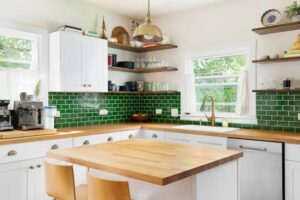
    Another important feature is the kitchen backsplash. This surface protects walls from water, grease, and food splashes while adding visual interest. Ceramic tiles, glass panels, and stone finishes are among the available options. Choosing a backsplash that complements the cabinets and countertops can create a beautiful and coordinated appearance.

    Appliances should be selected carefully to support daily cooking needs. A reliable refrigerator, efficient cooking range, microwave, and suitable ventilation system can improve convenience. Modern appliances often include useful features that save time and energy. However, it is important to measure available spaces before purchasing equipment to ensure that everything fits properly.

    A pleasant kitchen also needs appropriate lighting and ventilation. Bright lights above countertops and cooking areas make everyday tasks easier, while softer lighting can create a relaxing atmosphere during family meals. Windows allow natural light and fresh air to enter the room. An exhaust hood can help remove smoke, steam, and cooking odors, keeping the indoor environment more comfortable.

    Regular maintenance is essential for protecting kitchen furniture and equipment. Cabinets should be wiped clean, appliances should be inspected, and countertops should be maintained according to their material. Food items need proper storage to preserve freshness and reduce waste. Keeping the sink and cooking surfaces clean also supports better kitchen hygiene.

    Finally, personal touches can make the kitchen feel unique. Decorative jars, attractive wall clocks, indoor plants, and matching accessories can add warmth without taking up too much space. Homeowners can introduce different colors and textures to create a design that reflects their preferences.

    A well-designed kitchen brings together convenience, cleanliness, and visual appeal. With thoughtful planning and consistent care, even a simple cooking area can become a comfortable and efficient part of the home. Investing attention in kitchen design improves everyday experiences and creates a space that families can enjoy for many years.
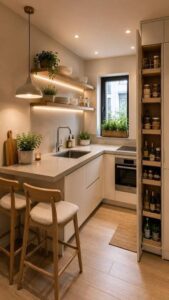
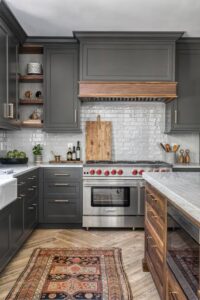
  • Kitchen Renovation Ideas That Improve Comfort and Functionality

    A kitchen renovation is an opportunity to make one of the most frequently used areas of a home more attractive and convenient. Over time, cooking habits, storage requirements, and family needs can change, making an existing kitchen less practical. Updating its layout, cabinets, appliances, and lighting can create a space that better supports everyday activities. Even smaller improvements can make an older kitchen feel fresh and comfortable without requiring a complete redesign.

    Updating the Kitchen Layout

    The layout should be the starting point of any kitchen improvement project. A practical arrangement makes it easier to prepare ingredients, cook meals, wash dishes, and access stored supplies.

    Homeowners should consider the room’s dimensions before deciding where to position major appliances. An L-shaped layout can make good use of corner areas, while a U-shaped design provides plenty of countertop and cabinet space. Open-plan arrangements are another option for properties where the kitchen connects directly with a dining or living area.

    Leaving enough room between work surfaces and appliances is essential. A comfortable layout should allow cabinet doors and drawers to open without blocking normal movement.

    Choosing Modern Cabinet Designs

    Replacing outdated cabinets can significantly change the appearance of a kitchen. Modern designs often feature simple lines, practical handles, and finishes that complement different interior styles.

    White cabinets can create a bright and spacious feeling, while darker shades introduce a more dramatic appearance. Natural wood finishes are suitable for homeowners who prefer a warmer and more traditional atmosphere.

    Storage features should also be considered during cabinet selection. Pull-out shelves, deep drawers, corner organizers, and built-in pantry sections can help make better use of available space.

    Installing Attractive Countertops

    Countertops are important because they provide the main working surfaces for food preparation. They should be durable enough to handle daily cooking while remaining easy to maintain.

    Quartz is a popular option for modern kitchens because of its consistent appearance and relatively straightforward maintenance. Granite provides natural patterns, while laminate offers a more economical choice with numerous decorative finishes.

    The countertop color should work well with the cabinets, backsplash, and flooring. A coordinated combination can make the entire kitchen look more balanced and professionally designed.

    Improving Kitchen Lighting

    Good lighting makes a kitchen safer and more comfortable to use. General ceiling fixtures illuminate the room, but additional lighting may be necessary around sinks, preparation areas, and cooking surfaces.

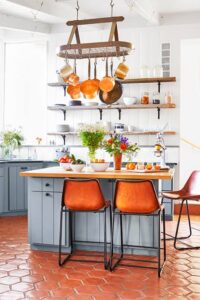
    Under-cabinet lights provide focused illumination without occupying valuable space. Pendant lights can add visual interest above an island or dining counter, while recessed fixtures offer a simple appearance.

    Homeowners should also make the most of natural daylight. Clean windows and appropriate window coverings can help maintain a bright environment throughout the day.

    Choosing Appliances Carefully

    A renovation is a suitable time to review existing kitchen appliances. Older refrigerators, ovens, dishwashers, and cooktops may no longer meet the household’s requirements.

    When comparing replacements, homeowners should consider energy efficiency, dimensions, capacity, and maintenance costs. Selecting appliances that fit the available space helps maintain a clean and organized appearance.

    It is also important to plan electrical and plumbing connections before installation. Professional assistance can help ensure that new appliances are fitted safely and correctly.

    Adding Useful Storage Features

    A renovated kitchen should provide enough storage for everyday essentials. Without an organized system, even an attractive room can quickly become cluttered.

    Vertical shelving can make better use of wall space, while pull-out pantry units help organize groceries. Drawer dividers keep utensils separated, and wall-mounted racks provide convenient access to frequently used cooking tools.

    Keeping similar items together also makes kitchen organization easier. For example, baking ingredients can occupy one cabinet, while pots and pans can be stored close to the cooking area.

    Keeping the Renovated Kitchen in Good Condition

    Regular maintenance helps protect the investment made during renovation. Countertops should be cleaned using suitable products, cabinet surfaces should be wiped regularly, and appliances should receive routine care.

    Checking taps, drains, hinges, and extractor filters can help identify small maintenance issues early. Proper ventilation also helps control cooking odors, steam, and moisture.

    Conclusion

    A successful kitchen renovation focuses on improvements that make everyday life easier. Updated cabinets, durable countertops, suitable appliances, effective lighting, and organized storage can transform an outdated cooking area into a comfortable and attractive space. With careful planning and attention to long-term needs, homeowners can enjoy a kitchen that combines modern style with lasting functionality.

  • How to Make Your Kitchen More Comfortable and Efficient

    The kitchen is one of the most valuable spaces in a household because it supports many everyday activities. From preparing breakfast in the morning to cooking dinner in the evening, this area remains an important part of family life. A comfortable and efficient kitchen makes daily responsibilities easier while providing a pleasant place to prepare food and spend time with loved ones. Creating such a space does not always require expensive renovations. Small improvements in organization, design, and maintenance can make a noticeable difference.

    A good kitchen begins with proper planning. Every item should have a suitable place so that cooking activities can be completed without unnecessary interruptions. Frequently used utensils, plates, and ingredients should be kept within easy reach. Cabinets and drawers can be divided into different sections to organize cookware, baking supplies, spices, and other essentials. This arrangement saves time and prevents the kitchen from becoming cluttered.

    Choosing suitable kitchen furniture is also important. Cabinets should provide enough storage without taking up too much available space. A kitchen island can be a useful addition when there is sufficient room because it offers extra countertop space and may provide additional storage underneath. In smaller kitchens, wall-mounted shelves and compact furniture can help maximize the available area.

    The countertop is another feature that deserves attention. It should provide a comfortable working surface for chopping vegetables, preparing ingredients, and arranging meals. Homeowners can choose from different materials depending on their budget and preferences. Regular cleaning and proper care help maintain the countertop’s appearance and prevent stains from building up.

    Lighting is essential for creating a pleasant cooking environment. Bright lighting above preparation areas improves visibility and helps people work safely. Pendant lights can add a decorative touch, while natural sunlight makes the room feel more open and refreshing. Good ventilation is equally important because it helps remove smoke, steam, and unwanted cooking odors.

    Technology has also changed the way people use their kitchens. Modern appliances offer convenient features that reduce the effort involved in preparing meals. Refrigerators with organized compartments, microwave ovens, dishwashers, and efficient cooking equipment can support busy households. However, purchasing appliances should always depend on available space and actual requirements rather than appearance alone.

    Another important aspect of kitchen improvement is maintaining cleanliness. Food crumbs, grease, and spills should be removed regularly to prevent dirt and bacteria from accumulating. Sinks, countertops, cooking appliances, and storage areas require consistent attention. Keeping cleaning supplies organized and disposing of household waste properly can also make kitchen maintenance easier.

    Adding personal decorative details can make the kitchen more inviting. Colorful kitchen towels, attractive containers, fresh flowers, and small plants can improve its appearance. Choosing matching colors for cabinets, walls, and accessories creates a coordinated design. Even a simple change in wall decoration can give an older kitchen a fresh and updated feeling.

    In conclusion, a comfortable kitchen depends on more than expensive furniture and modern appliances. Proper organization, suitable lighting, useful storage, quality materials, and regular cleaning are equally important. By making practical improvements and maintaining a balanced design, homeowners can create a kitchen that supports their daily routines and provides a welcoming environment for the entire family.

  • How to Create a Kitchen That Makes Everyday Cooking Easier

    A comfortable kitchen can improve the way a household manages daily activities. From preparing quick breakfasts to cooking meals for family gatherings, this space needs to support different tasks throughout the day. A well-designed kitchen should offer enough storage, convenient appliances, and comfortable working areas without sacrificing its appearance. With a few thoughtful decisions, homeowners can create an environment that makes cooking more enjoyable and household organization easier.

    Start With a Clear Design Plan

    Before purchasing kitchen furniture or appliances, homeowners should consider the room’s dimensions and layout. Understanding the available space helps determine where cabinets, countertops, and essential equipment should be installed.

    The working arrangement should allow easy movement between the sink, refrigerator, and stove. These areas are used frequently, so keeping them reasonably close can make food preparation more convenient.

    It is also worth considering how many people regularly use the kitchen. A family may need additional preparation surfaces and storage, while someone living alone might prefer a smaller arrangement that requires less maintenance.

    Invest in Comfortable and Functional Cabinets

    Cabinets provide much of the storage required in a kitchen. They help keep cookware, dishes, food containers, and groceries organized while contributing to the room’s overall design.

    Modern cabinets are available in numerous materials and finishes. Painted wood, laminate, and engineered panels offer different styles and price ranges. Homeowners should choose materials that are suitable for regular use and can handle the moisture commonly found in cooking areas.

    Soft-close hinges, pull-out drawers, and adjustable shelving can improve convenience. These features make it easier to access stored items and help prevent unnecessary clutter.

    Select a Suitable Kitchen Backsplash

    A backsplash protects the wall behind cooking and washing areas from splashes, grease, and moisture. It can also become an attractive design feature that connects different elements of the kitchen.

    Ceramic and porcelain tiles are popular because they are available in many colors, sizes, and patterns. Glass panels offer a smooth, contemporary appearance, while natural stone can introduce texture and character.

    The backsplash should complement the cabinets and countertops. Choosing a finish that is easy to wipe clean can also make regular kitchen maintenance simpler.

    Make Food Preparation More Convenient

    A practical kitchen needs enough room for chopping ingredients, arranging cookware, and preparing meals. Countertops should remain as clear as possible so that essential tasks can be completed comfortably.

    Keeping knives, cutting boards, and cooking utensils near the preparation area can reduce unnecessary movement. Frequently used ingredients should also be stored in accessible locations.

    For larger kitchens, an island can provide extra workspace and additional cabinets. In smaller rooms, a foldable counter extension or compact preparation table may offer a useful alternative.

    Pay Attention to Water and Electrical Fixtures

    Kitchen plumbing and electrical installations are important for safety and everyday convenience. Sinks, faucets, dishwashers, refrigerators, and cooking appliances all require suitable connections.

    A quality faucet with a flexible spray attachment can make washing dishes and cleaning the sink easier. Electrical outlets should be positioned conveniently for small appliances while remaining safely away from water sources.

    Professional installation is recommended for plumbing alterations and electrical work. Proper installation helps reduce the risk of leaks, electrical faults, and future repair costs.

    Maintain a Clean and Organized Kitchen

    A regular cleaning routine helps keep the kitchen comfortable and hygienic. Countertops, sinks, handles, and cooking surfaces should be cleaned frequently to remove food residue and grease.

    Organizing pantry shelves can also improve everyday efficiency. Storing similar ingredients together makes it easier to locate supplies and identify products that need replacing.

    Ventilation should not be ignored. Extractor fans help remove cooking odors and excess moisture, while regular filter cleaning supports effective operation.

    Conclusion

    A practical kitchen combines thoughtful planning, reliable materials, convenient storage, and suitable equipment. Small improvements to lighting, countertops, cabinets, and organization can make a noticeable difference in everyday cooking. By focusing on comfort and functionality, homeowners can create a welcoming kitchen that serves their household well for many years.

  • Modern Kitchen Design: Combining Comfort, Style, and Functionality

    A kitchen is an essential part of every home, and its design can have a major impact on everyday living. It is where families prepare meals, organize groceries, and enjoy time together. A thoughtfully designed kitchen makes cooking more convenient while creating an attractive atmosphere. Modern kitchen designs focus on combining practical features with beautiful details so that homeowners can enjoy a space that meets their daily needs.

    One of the most important elements of a modern kitchen is an efficient layout. The placement of cabinets, countertops, sinks, and appliances should allow enough room for comfortable movement. A kitchen with a practical arrangement makes it easier to prepare ingredients, cook meals, and clean up afterward. Open layouts are also becoming popular because they create a connection between the kitchen, dining room, and living area.

    Cabinet selection is another major consideration when designing a kitchen. Cabinets provide storage for cookware, dishes, food supplies, and cleaning products. Homeowners can choose from different styles, including traditional wooden cabinets, sleek modern finishes, and minimalist designs. Soft-close drawers, built-in organizers, and pull-out shelves can make storage more convenient while keeping the kitchen looking neat.

    Lighting can completely change the appearance of a kitchen. Natural sunlight creates a fresh and welcoming environment, while modern ceiling fixtures provide general illumination. Under-cabinet lights are particularly useful because they brighten work surfaces and make food preparation easier. Combining different lighting sources can improve both functionality and appearance.

    Modern kitchens also benefit from carefully selected appliances. Energy-efficient refrigerators, ovens, dishwashers, and cooking ranges can make everyday tasks easier. Before purchasing any appliance, homeowners should consider its dimensions, features, energy consumption, and maintenance requirements. Choosing equipment that fits the available space helps prevent overcrowding and keeps the kitchen organized.

    The materials used in a kitchen should be attractive as well as durable. Countertops made from quartz, granite, or other suitable materials can provide reliable working surfaces. Flooring should be resistant to regular wear and easy to clean. Backsplashes can protect walls from cooking splashes while adding decorative interest. Selecting materials that complement one another creates a consistent and appealing design.

    Keeping the kitchen clean is necessary for maintaining a healthy cooking environment. Food preparation surfaces should be sanitized regularly, dishes should not be left unwashed for long periods, and groceries should be stored correctly. Good ventilation helps remove cooking odors and moisture, while proper waste management keeps unpleasant smells away.

    Small decorative improvements can also make a significant difference. Indoor plants, stylish containers, decorative shelves, and attractive kitchen accessories can introduce warmth and personality. Homeowners do not need to spend a large amount of money to create a beautiful space. Simple updates and thoughtful organization can produce impressive results.

    In the end, a modern kitchen should reflect the needs and lifestyle of the people who use it. A combination of smart storage, practical appliances, suitable materials, effective lighting, and regular cleaning can create a comfortable and attractive environment. With proper planning, any kitchen can become a functional space where cooking feels easier and spending time with family becomes more enjoyable.

  • Modern Kitchen Ideas for a Comfortable and Organized Home

    A beautiful kitchen can make a home feel more welcoming while providing a practical environment for everyday activities. It is a space where people prepare meals, store groceries, and spend time with their families. Creating a kitchen that combines attractive design with useful features requires careful planning. From selecting suitable cabinets to improving lighting and storage, every detail can contribute to a better cooking experience.

    Designing Around Your Everyday Routine

    A successful kitchen design should reflect the way people use the space. Some households prepare several meals daily and require generous countertop space, while others prefer a compact arrangement with easy-to-maintain surfaces.

    The placement of appliances is an important part of this process. Keeping the refrigerator, sink, and cooking area within convenient reach can improve movement during food preparation. Sufficient space should also be provided for opening cabinet doors, operating appliances, and moving comfortably around the room.

    An open-plan kitchen can work well in homes where cooking and dining areas share the same space. For smaller properties, a compact layout with carefully selected storage can provide excellent functionality.

    Choosing Cabinet Styles and Finishes

    Kitchen cabinets have a strong influence on the room’s overall appearance. They also provide essential storage for dishes, cookware, food containers, and household supplies.

    Shaker-style cabinets remain a popular choice because their simple design suits both traditional and contemporary interiors. Flat-panel cabinets offer a cleaner appearance for modern homes, while natural wood finishes can create a warmer atmosphere.

    When selecting cabinet materials, homeowners should consider durability and resistance to everyday moisture. Quality hinges, handles, and drawer mechanisms are equally important because they experience regular use.

    Creating More Countertop Space

    Having enough countertop space makes cooking more comfortable. It provides room for preparing vegetables, arranging ingredients, and using small appliances without overcrowding the kitchen.

    Quartz, granite, and laminate are frequently selected for residential worktops. Quartz offers a consistent finish, granite provides natural patterns, and laminate can deliver an attractive appearance at a lower cost.

    A kitchen island can provide additional working space when the room is large enough. It can also include storage compartments or seating, making it useful for both cooking and casual family gatherings.

    Improving Storage With Creative Solutions

    Storage plays an important role in keeping a kitchen organized. Deep drawers can hold cookware, while narrow pull-out cabinets are useful for spices, bottles, and other smaller items.

    Wall-mounted racks provide convenient access to frequently used utensils. Open shelves can display attractive dishes and containers, although they may require more regular dusting than enclosed cabinets.

    Homeowners should avoid storing unnecessary items in easily accessible areas. Keeping countertops clear creates more room for food preparation and gives the kitchen a cleaner appearance.

    Using Lighting to Enhance the Interior

    Lighting affects both the functionality and atmosphere of a kitchen. General ceiling lights provide illumination throughout the room, while task lighting helps brighten important working areas.

    Under-cabinet lighting is particularly useful for countertops, especially when upper cabinets create shadows. Pendant lights can add decorative appeal above islands and breakfast bars.

    Natural daylight is another valuable feature. Large windows or suitable window coverings can help make the kitchen feel bright and comfortable during the day.

    Maintaining Appliances and Kitchen Surfaces

    Regular maintenance helps protect kitchen investments and keeps the room looking attractive. Countertops should be cleaned using products suitable for their materials, while cooking appliances need occasional attention to remove grease and food residue.

    Refrigerators should be checked regularly for expired groceries, and dishwasher filters should be cleaned according to manufacturer instructions. Extractor fans also require maintenance to prevent grease accumulation and maintain effective ventilation.

    These simple practices can help extend the useful life of kitchen equipment while supporting a cleaner environment.

    Conclusion

    Creating an attractive and functional kitchen involves more than following popular interior design trends. Practical layouts, durable cabinets, suitable countertops, organized storage, and effective lighting all contribute to a comfortable cooking space. By choosing improvements that match everyday household needs, homeowners can develop a kitchen that remains welcoming, efficient, and enjoyable for years.

  • The Importance of a Well-Organized Kitchen

    A well-organized kitchen makes everyday life more comfortable and enjoyable. It is one of the most frequently used spaces in a home, where people prepare meals, store groceries, clean dishes, and spend quality time with their families. A kitchen that is properly arranged can save time, reduce unnecessary effort, and make cooking a more pleasant experience. Regardless of its size, every kitchen can become more functional with thoughtful planning and regular care.

    One of the most effective ways to improve a kitchen is to create a practical storage system. Cabinets and drawers should be arranged according to how frequently different items are used. Everyday plates, glasses, cooking spoons, and utensils should be easy to reach, while seasonal equipment and rarely used appliances can be stored in less accessible spaces. Clear containers are also useful for storing rice, flour, sugar, spices, and other dry ingredients. They make it easier to identify supplies and keep everything organized.

    A suitable kitchen countertop can provide enough space for preparing different meals. Materials such as granite, quartz, and laminate are popular because they offer different combinations of appearance, durability, and maintenance requirements. Homeowners should choose a surface that matches their cooking habits and cleaning preferences. Keeping countertops free from unnecessary objects also creates a cleaner and more spacious appearance.

    Kitchen ventilation is another feature that should never be overlooked. Cooking produces heat, steam, smoke, and odors that can make the indoor environment uncomfortable. A properly installed exhaust fan or range hood helps remove unwanted air and improves ventilation. Opening windows whenever possible can also allow fresh air to circulate throughout the room.

    Appliances are an important part of a modern kitchen. Refrigerators help preserve food, ovens provide different cooking options, and dishwashers reduce the time spent cleaning after meals. Small appliances such as blenders, electric kettles, and toasters can also make daily routines easier. However, it is important to avoid overcrowding the kitchen with unnecessary equipment. Selecting appliances based on actual household needs helps maintain both functionality and available space.

    Decoration can make a kitchen feel more welcoming without requiring a major renovation. Fresh curtains, attractive lighting fixtures, wall decorations, and small indoor plants can add character to the room. Choosing complementary colors for cabinets, walls, and accessories creates a balanced appearance. Even changing old cabinet handles or installing modern shelves can give the kitchen a refreshed look.

    Cleanliness is equally important because the kitchen is directly connected to food preparation. Countertops, sinks, cutting boards, and cooking utensils should be washed regularly. Spills should be cleaned immediately, and food waste should be disposed of properly. Refrigerators and pantry shelves also need occasional cleaning to remove expired products and maintain proper food storage conditions.

    In conclusion, an organized kitchen improves the comfort, efficiency, and appearance of any home. Proper storage, suitable appliances, good ventilation, attractive decoration, and regular cleaning all contribute to a better cooking environment. With a little creativity and consistent maintenance, homeowners can create a kitchen that is practical, beautiful, and enjoyable for the entire family.

  • Essential Features That Make a Kitchen More Practical

    A kitchen should be designed to make cooking, cleaning, and organizing household supplies as convenient as possible. Since it is one of the most frequently used rooms in a home, its layout and features deserve careful consideration. A practical cooking space can improve daily routines, reduce unnecessary clutter, and create a comfortable atmosphere for family members. Even modest upgrades can have a positive impact when they are selected according to the household’s needs.

    Planning the Perfect Kitchen Arrangement

    A functional kitchen starts with an arrangement that makes everyday activities easier. The refrigerator, sink, and cooking appliances should be positioned to support a natural workflow. Having enough space between these areas allows people to prepare ingredients and move around without feeling restricted.

    The available floor space should guide the choice of layout. Galley kitchens are suitable for narrow rooms, while L-shaped designs work well in many medium-sized homes. U-shaped arrangements provide additional storage and preparation surfaces, making them useful for households that cook frequently.

    It is also important to consider door openings, windows, and appliance dimensions before finalizing a design. Proper planning can prevent awkward spaces and unnecessary renovation expenses.

    Choosing Cabinets With Long-Term Value

    Cabinets are among the most noticeable elements in a kitchen. They influence the overall appearance while providing storage for cookware, dishes, ingredients, and cleaning supplies.

    Solid wood cabinets offer a traditional appearance, while engineered wood and laminate options provide a variety of finishes and price points. Moisture-resistant materials are particularly useful because kitchens regularly experience steam, spills, and temperature changes.

    Homeowners should also pay attention to cabinet hardware. Quality handles, hinges, and drawer mechanisms can improve everyday convenience. Soft-close drawers and pull-out organizers are useful additions for maintaining an orderly environment.

    Making Countertop Space More Useful

    A spacious countertop provides room for chopping vegetables, preparing ingredients, and arranging cooking equipment. Keeping these surfaces relatively clear makes food preparation more comfortable and cleaning easier.

    Quartz, granite, and laminate are common countertop materials. Each offers different advantages in terms of appearance, cost, and maintenance. The selected surface should complement the cabinets while meeting the practical requirements of the household.

    Adding a separate preparation area can be helpful for larger families. A kitchen island or extended counter can provide additional workspace without requiring major changes to the existing layout.

    Improving Ventilation and Indoor Comfort

    Cooking produces heat, steam, smoke, and odors that can affect indoor comfort. Proper ventilation helps remove these unwanted elements and prevents excessive moisture from accumulating around cabinets and walls.

    An extractor hood positioned above the cooking area can capture grease and cooking fumes. Its capacity should be appropriate for the room and cooking equipment. Cleaning filters regularly is also important for maintaining performance.

    Windows and other suitable ventilation openings can provide additional airflow. Together, effective extraction and fresh-air circulation help create a more pleasant kitchen environment.

    Selecting Appliances That Suit Your Household

    Kitchen appliances should be chosen according to cooking habits and available space. A large refrigerator may be useful for a busy family, while a smaller household might prefer a compact model that uses less space.

    Dishwashers, ovens, microwaves, and induction cooktops can make everyday tasks more convenient. Before purchasing, homeowners should compare energy ratings, dimensions, warranty conditions, and maintenance requirements.

    It is equally important to plan appliance locations carefully. Frequently used equipment should be easy to access, while electrical outlets and water connections should be installed safely.

    Adding Personal Style Through Decoration

    A practical kitchen can also reflect individual taste. Cabinet colors, backsplash patterns, decorative lighting, and small accessories all contribute to its overall character.

    Neutral shades create a timeless appearance, while natural wood and textured finishes introduce warmth. Homeowners can also use decorative plants, attractive storage jars, and simple wall decorations to make the room feel more inviting.

    The key is to maintain a balance between decoration and functionality. Leaving enough open space ensures that decorative choices do not interfere with daily cooking activities.

    Conclusion

    A well-planned kitchen brings together convenient layouts, durable materials, suitable appliances, and effective ventilation. Improving storage and keeping countertops organized can make daily tasks significantly easier. By choosing features that match their lifestyle and maintaining them regularly, homeowners can create a kitchen that offers lasting comfort, efficiency, and visual appeal.

  • Creating a Functional and Beautiful Kitchen

    The kitchen is one of the busiest and most valuable areas of a home. It is a place where delicious meals are prepared, family members spend time together, and daily routines begin and end. A comfortable kitchen can make household activities easier while adding beauty and value to the entire property. Whether someone is designing a new kitchen or improving an existing one, paying attention to its layout, storage, and overall appearance can make a significant difference.

    One of the first things to consider when planning a kitchen is its layout. A practical arrangement allows people to move comfortably between the refrigerator, sink, and cooking area. Keeping these essential spaces within convenient reach can save time and make meal preparation more efficient. Homeowners should also consider how much working space they need for preparing ingredients, serving food, and cleaning dishes.

    Storage is another important part of kitchen design. Cabinets, drawers, pantry shelves, and wall-mounted organizers help keep kitchen essentials properly arranged. Instead of placing everything on countertops, homeowners can use smart storage solutions to maintain a neat appearance. Pull-out drawers, corner cabinets, and adjustable shelves are useful options for making better use of available space.

    The choice of materials can influence both the appearance and durability of a kitchen. Countertops should be easy to clean and suitable for regular food preparation. Similarly, flooring should be strong enough to handle frequent movement, spills, and everyday use. Ceramic tiles, quality laminate, and other practical materials can provide attractive finishes while supporting long-term functionality.

    Color selection also plays an important role in creating a pleasant kitchen environment. White, cream, beige, and light gray shades can make smaller kitchens appear more spacious. Dark cabinets and contrasting countertops can create a sophisticated appearance in larger spaces. Adding colorful accessories, curtains, or decorative pieces can introduce personality without making the room feel crowded.

    Another way to improve a kitchen is by focusing on energy efficiency. Modern refrigerators, induction cooktops, and energy-saving lighting can help reduce electricity consumption. Choosing appliances that match household requirements prevents unnecessary expenses and makes the kitchen more convenient to use. Regular maintenance also helps appliances operate efficiently.

    Keeping the kitchen hygienic is essential for maintaining a healthy household. Food should be stored at appropriate temperatures, raw ingredients should be handled carefully, and kitchen surfaces should be cleaned regularly. Separate cutting boards for different food items can help reduce cross-contamination. Proper waste disposal and regular cleaning of sinks and drains also contribute to a fresh cooking environment.

    Ultimately, a successful kitchen design is about finding the right balance between comfort, organization, and style. Even simple improvements can transform an ordinary cooking area into a welcoming and efficient space. By selecting suitable materials, arranging storage carefully, maintaining cleanliness, and choosing practical appliances, homeowners can enjoy a kitchen that supports their lifestyle for many years.

  • Creating a Warm and Welcoming Kitchen for Your Family

    A kitchen is often considered the heart of a home because it brings people together through everyday meals and shared experiences. It is a place where families prepare food, discuss their day, and develop lasting memories. A comfortable kitchen should offer more than attractive cabinets and modern appliances. It should also provide practical storage, sufficient working space, and an environment that makes daily activities easier. With thoughtful improvements, homeowners can turn an ordinary cooking area into a welcoming part of their living space.

    Choosing a Layout That Supports Everyday Activities

    A suitable kitchen layout makes a significant difference in how comfortably people use the room. The arrangement should provide convenient access to essential appliances and enough space for food preparation. A well-planned kitchen also allows multiple people to work without constantly getting in each other’s way.

    An L-shaped design is suitable for many residential properties because it uses corner space efficiently. Galley kitchens are practical for narrow rooms, while U-shaped layouts provide generous countertop and cabinet space. Homeowners with larger properties may consider adding a kitchen island for extra preparation space and informal seating.

    Before choosing a design, measuring the room and identifying existing plumbing and electrical connections can help prevent costly mistakes.

    Selecting Beautiful and Durable Kitchen Surfaces

    Kitchen surfaces experience frequent use, so their materials should be selected carefully. Countertops must handle food preparation, spills, and regular cleaning without losing their appearance.

    Granite and quartz are popular choices for homeowners who want an attractive and durable worktop. Laminate surfaces provide a more affordable alternative and are available in many colors and patterns. Each option has different maintenance requirements, making it important to compare materials before making a decision.

    Backsplashes also contribute to the overall appearance of the room. Ceramic tiles, glass panels, and natural stone can protect walls while introducing decorative detail.

    Organizing Cabinets and Kitchen Storage

    An organized kitchen helps people complete daily tasks more efficiently. Without suitable storage, utensils, cookware, and groceries can quickly occupy valuable countertop space.

    Installing deep drawers for larger cooking equipment is one practical solution. Pull-out pantry shelves make groceries easier to access, while adjustable cabinet compartments allow homeowners to organize dishes and containers according to their needs.

    It is also useful to divide storage into different sections. Keeping baking ingredients together, placing cookware near the stove, and storing cleaning products separately can make the kitchen easier to manage.

    Creating a Comfortable Lighting Arrangement

    Lighting is an important part of kitchen design because it affects both visibility and atmosphere. General ceiling lights provide illumination throughout the room, while focused lighting helps people work safely around sinks and countertops.

    Under-cabinet lights are especially useful because they brighten preparation surfaces without taking up additional space. Pendant fixtures can create an attractive feature above a kitchen island or breakfast counter.

    Natural daylight should also be encouraged wherever possible. Clean windows and suitable window coverings help maintain a bright and pleasant cooking environment.

    Incorporating Modern Kitchen Technology

    Technology has made many kitchen activities more convenient. Modern refrigerators can offer improved food storage features, while programmable ovens provide greater control over cooking temperatures and times.

    Energy-efficient dishwashers can reduce water consumption compared with some traditional washing habits. Induction cooktops are another option for homeowners interested in responsive heating and easier surface cleaning.

    However, purchasing expensive equipment is not always necessary. The best appliances are those that match household requirements, available space, and maintenance budgets.

    Maintaining a Healthy Cooking Environment

    A clean kitchen supports better food preparation and creates a more pleasant home. Countertops, sinks, chopping boards, and cooking surfaces should be cleaned regularly. Food should be stored correctly, and waste should be removed before unpleasant odors develop.

    Ventilation also deserves attention. Extractor fans help remove excess moisture, cooking odors, and airborne grease. Regularly cleaning their filters can help maintain effective performance.

    Homeowners should periodically inspect plumbing connections, electrical fittings, and appliances. Taking care of minor maintenance issues can help prevent larger problems.

    Conclusion

    A welcoming kitchen combines thoughtful design, practical storage, durable materials, and comfortable lighting. Every improvement should make the space easier to use while reflecting the household’s personal style. By focusing on quality, organization, and regular maintenance, homeowners can create a kitchen that remains attractive and functional while supporting family life for many years.